
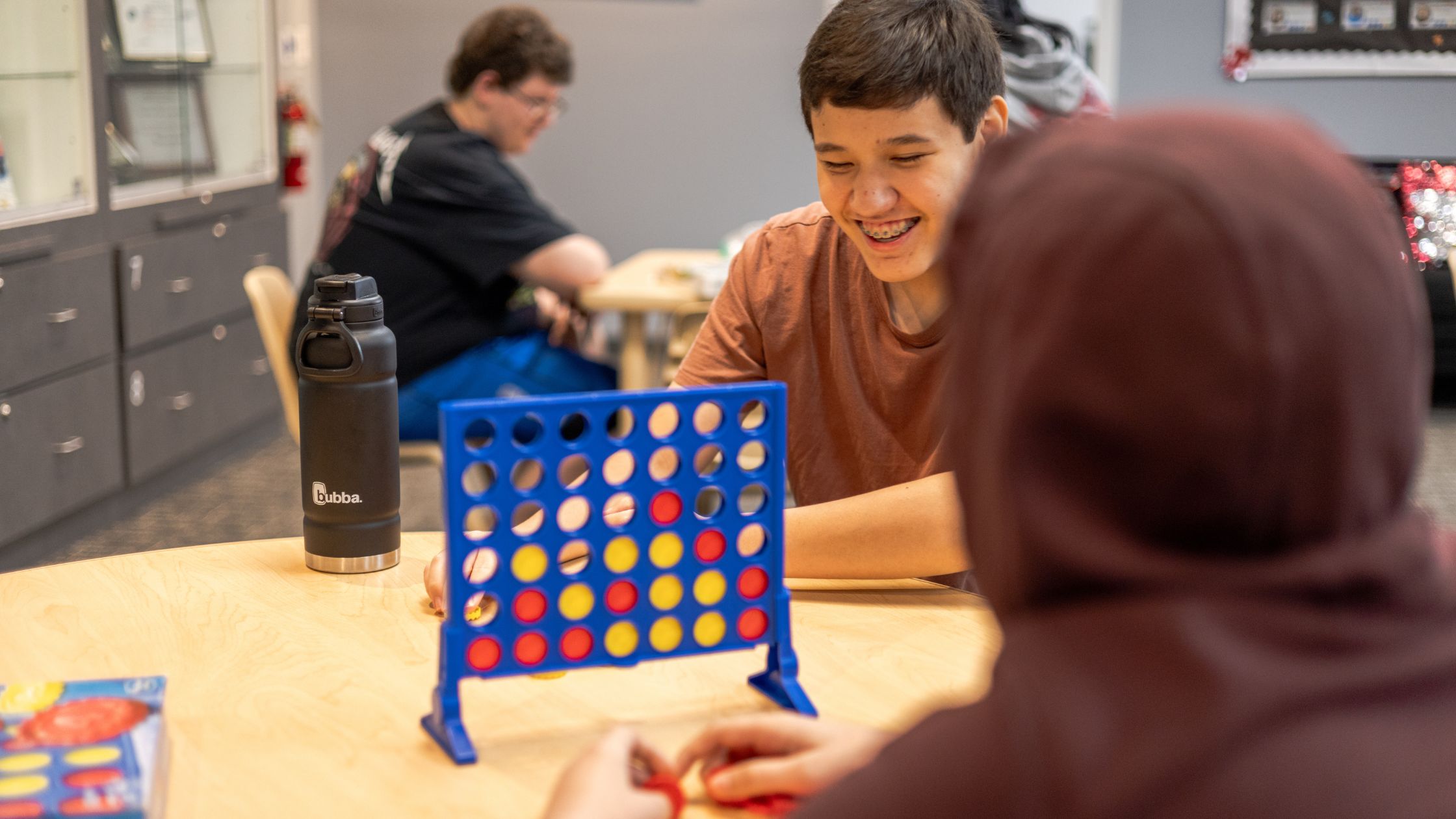
In a world that rarely stops buzzing, families are starting to recognize that constant connection comes with a price, especially for the neurodivergent kids whose bright, sensitive nervous systems take in so much more than we often recognize.
As digital detox trends rise through mainstream media, from celebrities stepping away from social platforms to parents creating intentional tech-free zones at home, we’re seeing a cultural shift back toward reclaiming presence.
And if there is any community that stands to benefit profoundly from this movement, it is ours.
Neurodivergent Learners and the Digital World
For many neurodivergent learners, the digital world is both a source of comfort and a challenge. Screens offer structure and predictability, a low-pressure way to explore interests. Yet, they also deliver a steady stream of sensory input that can overwhelm the brain and body.
Teachers often notice the same thing: children come in dysregulated, jumpy, or disconnected after extended screen time. That is not a judgment; that is an observation, grounded in research on overstimulation, dopamine cycles, and cognitive fatigue.
What is encouraging, though, is that a digital detox doesn’t have to feel restrictive; instead, it may be a gentle invitation for the nervous system to settle, breathe, and reconnect.
Reducing Digital Overwhelm
Teaching children to tune in to their bodies, to find their heartbeat, to take steady breaths, and to understand their energy allows them to construct the inner architecture they need to thrive in any classroom or at home. Reducing digital overwhelm becomes part of that architecture.
Shouldering less digital overwhelm opens more space for creativity, emotional regulation, and human connection, all of which every child needs, but neurodivergent learners may crave more deeply than they’re able to express. Creating these pauses not only supports focus and coherence; it also reflects the quantum truth that our attention is our power. Wherever we place it, we create it.
Start Small
Families can start small: a tech-free dinner, a five-minute morning of heart-breathing before school, a quiet walk with no devices brought along, or the simple rule that screens go to bed before children do. Teachers mirror this by creating calm corners, scheduling mindfulness breaks, and guiding learners gently back into their bodies during transitions. They may be simple, but these are foundational moments that give children the ability to self-regulate. In time, that turns into confidence, resilience, and the ability to learn with ease.
Rebalancing Our Relationship With Technology
Fundamentally, a digital detox isn’t about removing technology; it is about rebalancing our relationship with it. This is about honoring the brilliance of neurodivergent minds by allowing them space that enables them to integrate into this world at their own rhythm. As we continue raising the vibration of classrooms and homes alike, choosing presence becomes a powerful act of love. And when our children feel that presence, really feel it, they rise.