Pamela Furr, founder of Puzzle Box Academy and an advocate for neurodivergent communities, shares insights on education, neurodiversity, and parenting through her blogs. Her blogs and articles cover essential topics from individualized education and embracing neurodiversity in the workplace to empowering parents of autistic children. With a unique blend of scientific and holistic approaches, Pamela’s work strives to transform inclusive education and offers guidance for those navigating the complexities of special needs. Dive into her blog to find strategies, inspiration, and practical advice grounded in her years of experience.
In what ways might the mere consideration of thanks alter your whole day? At first, this may appear as something insignificant. However, the pursuit of gratitude is, without a doubt, one of the most effective tools that we, as human beings, possess. Gratitude represents a method whereby we might alter
In a world that rarely stops buzzing, families are starting to recognize that constant connection comes with a price, especially for the neurodivergent kids whose bright, sensitive nervous systems take in so much more than we often recognize. As digital detox trends rise through mainstream media, from celebrities stepping away
Loss is not always about death. It can be as simple—and as significant—as a toddler losing a beloved stuffed animal or a child moving away from familiar friends and routines. For families, especially those navigating neurodiversity, these everyday transitions present unique emotional challenges and opportunities for growth. Understanding and supporting
Parenting is an incredible journey—filled with moments of joy, growth, and at times, deep uncertainty. One of the most challenging experiences for parents can be understanding how their child communicates, especially if the child isn’t using words in the expected way. But here’s a powerful truth: your child is communicating—just
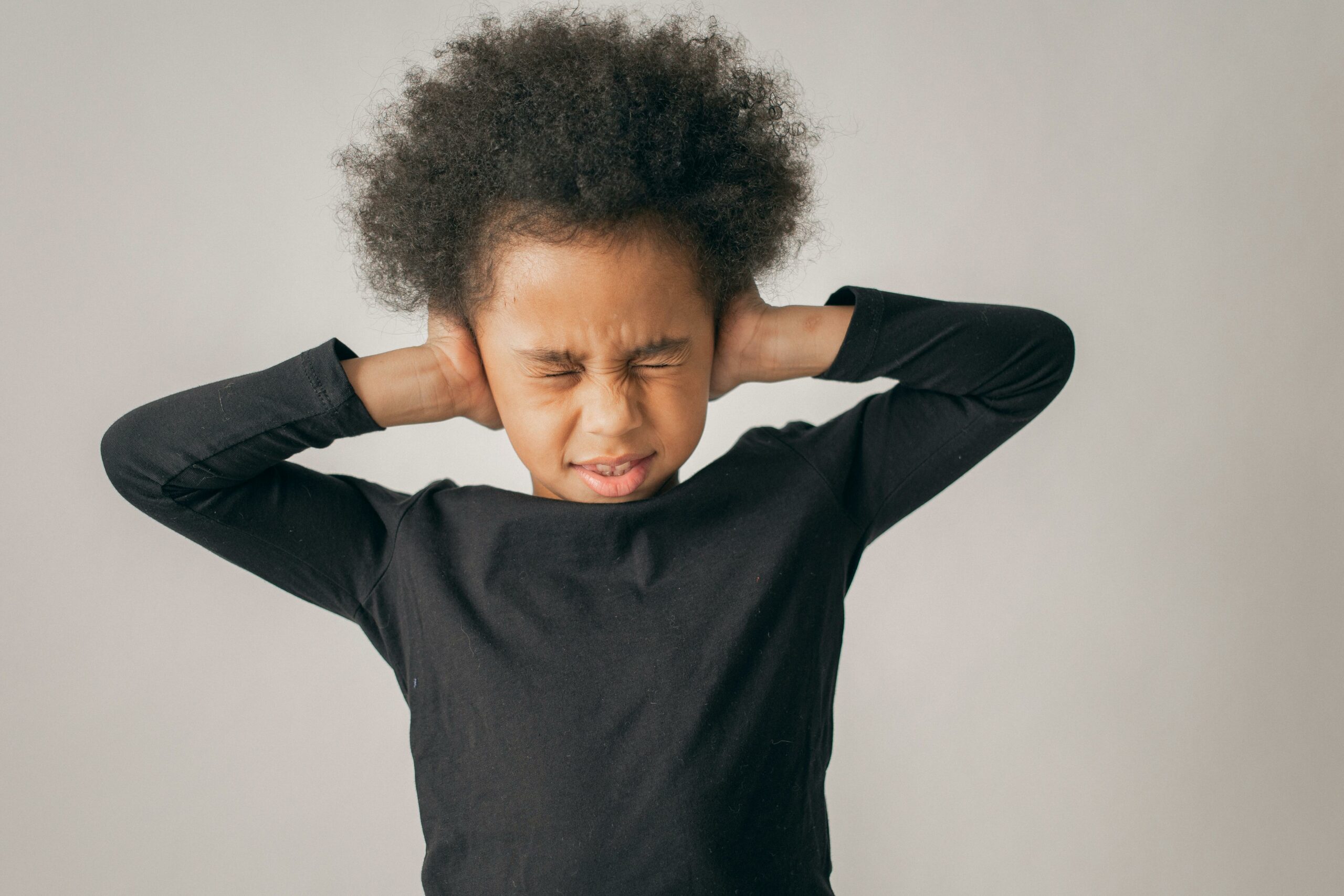
Some children seem to melt down over the smallest things—a tag in a shirt, a loud toilet flush, a change in routine. But what if what looks like “bad behavior” is actually a response to something deeper? Sensory processing challenges are often misunderstood but can be the hidden reason behind
When we hear the word masking, many of us might picture Halloween costumes or a performance on stage. But for neurodivergent individuals—particularly those on the autism spectrum—masking is something much deeper. It’s a behavioral survival tool, a way to adapt, cope, and often, to simply belong. What Is Masking? At